
Nutrition Myths
Today, we’re diving into a topic that’s incredibly close to my heart: the world of nutrition and the myths tied to diet culture.
With so much information floating around—especially when it comes to weight loss, healthy eating, and lifestyle—it’s easy to get confused.
Let’s clear the air by debunking 10 common myths that are often misunderstood.
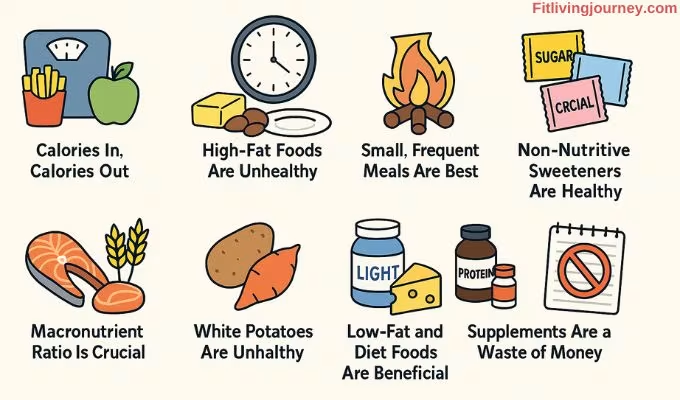
Myth 1: “Calories In, Calories Out”
While being in a caloric deficit is necessary for weight loss, it’s not the entire picture.
Not all calories are created equal.
Other factors like hormonal imbalances, genetics, medications, and health conditions such as hypothyroidism or metabolic adaptation play a major role in weight loss.
Yes, you could technically lose weight by eating 1500 calories of Skittles daily—but you’d be depriving your body of essential nutrients.
Whole, real foods provide the vitamins and minerals your body craves.
Focus on food quality, not just quantity.
Myth 2: High-Fat Foods Are Unhealthy
Fat is essential in our diet. Healthy fats keep us full, add flavor to meals, and support our overall health.
Low-fat diets can actually increase health risks. Instead of avoiding fats, aim for a balanced intake.
Include healthy fats in your meals to stay satisfied and promote long-term health and weight loss.
Myth 3: Breakfast Is the Most Important Meal of the Day
This is especially true for kids and teens, but for adults, all meals matter.
Breakfast helps break the overnight fast and kickstarts your metabolism.
If you’re not hungry in the morning, it may signal a slowed metabolism.
Eating a balanced meal within 1–2 hours of waking—with protein, carbs, and fats—can energize your day and support your metabolism.
[ [ Natural Ways to Increase Vitamin E ] ]
Myth 4: Small, Frequent Meals Are Necessary for Health
Though not required for optimal health, small frequent meals can help maintain metabolism.
Think of metabolism like a fire—you need to keep feeding it.
Eating regularly helps prevent overindulging later and supports energy levels.
For those with conditions like diabetes, consistent fuel intake is especially important.
Myth 5: Non-Nutritive Sweeteners Are Healthy
Zero-calorie sweeteners like Splenda, Equal, or Stevia may not be as healthy as they seem.
They can disrupt gut health, affect blood sugar regulation, and even increase cravings.
In contrast, small amounts of natural sugar may be better recognized by your body, reducing the urge to overeat sweet foods.
Remember, low-calorie doesn’t always mean healthy.
Myth 6: Macronutrient Ratios Matter More Than Food Quality
Balancing your macros—protein, carbs, and fats—is helpful, but quality matters more.
Relying solely on supplements like bars or powders won’t provide the full spectrum of nutrients your body needs.
Whole, nutritious foods should make up the majority of your diet.
Focus on food quality, then fine-tune your macros.
[ 5 Best Natural Sources of Biotin for Glowing Skin and Healthy Hair ]
Myth 7: White Potatoes Are Unhealthy
White potatoes are often misunderstood. They are rich in nutrients like potassium, fiber, and vitamin C.
They’re more filling than rice or pasta and can support weight management when eaten in healthy forms like roasted or air-fried.
You don’t have to stick to sweet potatoes—white, red, and purple ones are all nutritious.
Myth 8: Low-Fat and Diet Foods Are Better
“Low-fat,” “diet,” and “fat-free” labels can be misleading.
Many such foods are packed with added sugars and artificial ingredients.
Your body processes whole foods like full-fat yogurt, cheese, and nut butter more naturally.
Choosing real food in smaller portions is healthier than relying on chemically modified “Frankenfoods.”
Myth 9: Supplements Are a Waste of Money
This is false. Supplements can be incredibly beneficial if used correctly.
Magnesium, B vitamins, and fiber support blood sugar, heart health, and digestion.
Protein supplements help fill nutritional gaps when whole foods aren’t enough.
The right supplements support both weight loss and general well-being.
Myth 10: Low-Calorie Diets Are Best for Weight Loss
While a calorie deficit is needed to lose weight, extreme low-calorie diets are not the solution.
Rapid weight loss can harm your metabolism, increase hunger, and alter hormones.
Instead, a mild calorie deficit is sustainable and better for long-term results.
You’ll protect your metabolism and still enjoy the foods you love.
FAQs
-
Q1. Can I lose weight by just counting calories without focusing on food quality?
Ans. You might lose weight, but you’ll miss essential nutrients. Quality matters as much as quantity.
-
Q2. Is it okay to skip breakfast if I’m not hungry?
Ans. Skipping breakfast may signal a slow metabolism. Eating within 1–2 hours of waking helps restart it.
-
Q3. Are all low-fat and diet foods bad?
Ans. Not all, but many contain unhealthy additives. It’s better to eat smaller portions of real food.
-
Q4. Do I need to eat every 2-3 hours?
Ans. Not necessarily, but small frequent meals can help maintain energy and prevent overeating.
-
Q5. Are supplements necessary if I eat healthy?
Ans. They’re not always essential, but they help fill nutritional gaps and support health goals.
